Tips for Maintaining Optimal Eye Health as You Age
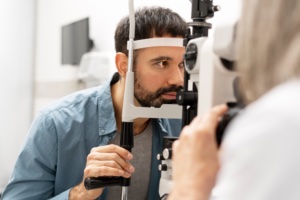 As we age, many parts of our body require a little extra care—and our eyes are no exception. Vision changes are a natural part of getting older, but proactive habits and regular eye care can make a meaningful difference in preserving sight and overall quality of life. At Riverside EyeCare Professionals, our board-certified ophthalmologists, Dr. Michael Sumsion and Dr. Sean Sumsion, believe that education and prevention are key to lifelong eye health. Below are essential tips to help you protect your vision as you age and reduce your risk of common age-related eye conditions.
Schedule Regular Comprehensive Eye Exams
One of the most important steps in maintaining optimal eye health is having routine comprehensive eye exams. Many serious eye conditions, including glaucoma, macular degeneration, and diabetic retinopathy, often develop gradually and may not cause noticeable symptoms in their early stages. Regular eye exams allow your eye doctor to detect subtle changes early, when treatment can be most effective.
For adults over 40, annual or biennial eye exams are typically recommended, though your optometrist or ophthalmologist may suggest more frequent visits based on your personal health history, vision changes, or risk factors such as diabetes or a family history of eye disease.
Eat a Nutrient-Rich, Eye-Healthy Diet
Nutrition plays a significant role in eye health. A balanced diet rich in vitamins, minerals, and antioxidants can help protect your eyes from age-related damage. Nutrients such as vitamin A, vitamin C, vitamin E, zinc, lutein, and omega-3 fatty acids can be especially beneficial for maintaining healthy vision.
Leafy green vegetables, colorful fruits, salmon, nuts, seeds, and whole grains can all support eye health and may help slow the progression of conditions like macular degeneration and cataracts. Staying hydrated is also important, as dehydration can worsen symptoms of Dry Eye, a common condition that becomes more prevalent with age.
Protect Your Eyes from UV Damage
Long-term exposure to ultraviolet (UV) rays can increase your risk of cataracts and other eye conditions. Wearing sunglasses that block 100% of UVA and UVB rays whenever you’re outdoors—regardless of the season—is a simple but powerful way to protect your eyes. Wide-brimmed hats can also offer additional protection from direct sunlight.
If you spend significant time outdoors or enjoy activities like driving, walking, or gardening, UV protection should be a daily habit, not just a summer consideration.
Manage Chronic Health Conditions
Systemic health conditions can have a direct impact on your vision. Diabetic retinopathy, for example, is a leading cause of vision loss among adults with diabetes. Maintaining healthy blood sugar levels, blood pressure, and cholesterol through diet, exercise, and medication adherence is critical for protecting your eyes.
Similarly, cardiovascular health plays a role in eye health, as proper blood flow is essential for the retina and optic nerve. Partnering with both your primary care physician and eye care provider helps ensure a comprehensive approach to your overall well-being.
Be Aware of Glaucoma Risk Factors
Often referred to as the “silent thief of sight,” glaucoma can cause irreversible vision loss without early warning signs. Aging, family history, elevated eye pressure, and certain medical conditions can increase the risk of developing glaucoma.
Since vision loss from glaucoma cannot be reversed, early detection through routine eye exams is essential. If diagnosed early, glaucoma can often be managed successfully with prescription eye drops, laser treatments, or other interventions recommended by your eye care professional.
Address Dry Eye Symptoms Early
Dry Eye is a condition that generally becomes more common as we age, particularly among women and individuals who spend extended time using digital devices. Symptoms may include burning, itching, redness, blurred vision, or a gritty sensation in the eyes.
Simple lifestyle adjustments, such as blinking more frequently, using artificial tears, staying hydrated, and reducing exposure to dry or windy environments, can help relieve symptoms. In more persistent cases, your eye doctor may recommend prescription treatments or in-office therapies to improve comfort and protect the surface of the eye.
Quit Smoking and Limit Alcohol Consumption
Smoking can significantly increase the risk of developing cataracts, macular degeneration, and optic nerve damage. Quitting smoking is one of the most impactful steps you can take to protect not only your eyes, but your overall health.
Excessive alcohol consumption can also contribute to nutritional deficiencies and dehydration, which may negatively affect vision. Consuming alcohol in moderation can help support both eye health and long-term wellness.
Stay Active and Reduce Eye Strain
Regular physical activity supports healthy circulation, which can benefit the eyes by ensuring they receive adequate oxygen and nutrients. Additionally, taking breaks from screens and following the 20-20-20 rule—looking at something 20 feet away for 20 seconds every 20 minutes—can help reduce digital eye strain.
As we age, it becomes harder for our eyes to focus on tasks like reading, which can make prolonged close-up work more tiring. Proper lighting, updated prescriptions, and ergonomic adjustments can improve comfort and visual clarity.
Trust Your Eye Care Team
Aging does not have to mean losing your independence or enjoyment of life due to vision problems. With the right preventive care and professional guidance, many age-related eye conditions, including cataracts, glaucoma, macular degeneration, diabetic retinopathy, and Dry Eye, can be managed effectively.
At Riverside EyeCare Professionals, our eye doctors are committed to helping patients maintain clear, comfortable vision at every stage of life. By staying proactive and informed, you can protect your eyes and continue seeing the world with confidence for years to come.
If you have questions about your eye health or are due for an exam, we encourage you to contact our practice and schedule an appointment to support your long-term eye health.